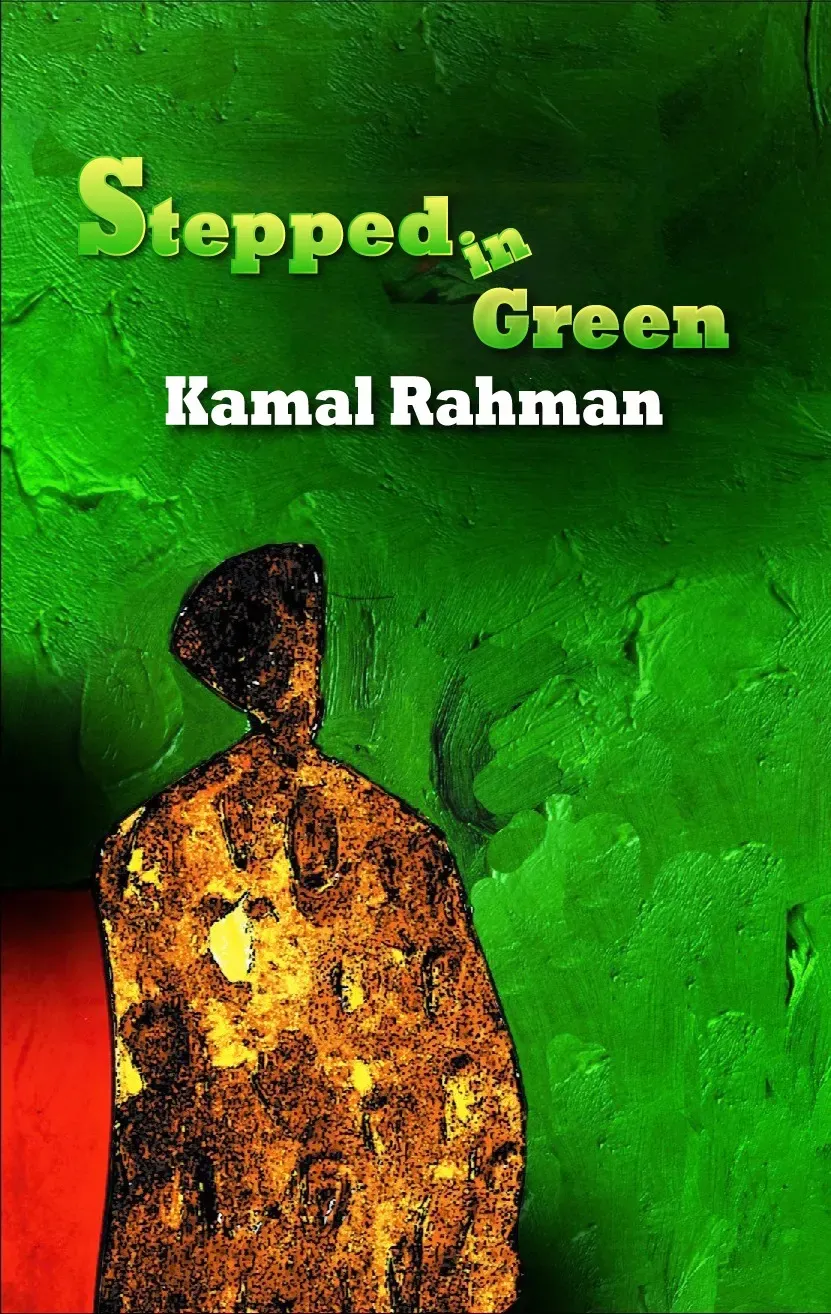
‘Stepped in Green’ by Kamal Rahman
An English adaptation of the writer’s Bengali Novel ‘Tajtanduri’
Summary, themes, and historical context of the novel.
Historical context
Towards the end of British rule in India, there were clear warning signs that change was afoot. The common people were very intolerant of the British Raj, whose army had carried out a brutal mass killing at the town of Jallianwala Bagh, India. Two veteran rebels, Khudiram and Surya Sen of Bengal, were put to death, and revolution was imminent. The vast land, with its population of three hundred and thirty million, stood against the foreign rule, filled with hatred and anger, and determined to drive them out of the country.
During that adverse state of affairs, a small subaltern group from the Bengal and Assam provinces of India started migrating to the UK. They crossed the oceans in search of an unknown world, setting foot in a land where people were very different: the British were proud of their national distinctiveness and of having captured most of the world beyond Europe. Without any warfare or struggle and with almost no experience, those Bengalis made their fortune as professional chefs in the UK. How could they possibly manage this? The novel Stepped in Green attempts to find the answer to this question.
Though the Bengalis had started migrating to the UK during the early years of the last century, after the partition of India in 1947, the Pakistani authorities made it difficult for Bengalis to get a passport. This unexpected barrier was removed after the independence of Bangladesh in 1971, giving hundreds of thousands of Bengalis the opportunity to leave the country.
Plot/Summary of main events
Rafumia, the protagonist of this novel, began his working life as a sailor. His first voyage was from the port of Kolkata. There was an abundance of jobs for sailors at the time of the Second World War. A large group of courageous young men from the Sylhet and Chittagong region of Bangladesh joined the British merchant naval ships through the Kolkata seaport, eager to make their fortune.
During the war, Rafu lost one of his legs when his ship was sunk in the North Sea by a German torpedo. One of the German rescue boats rescued some of the crew. Rafu spent nearly five years in a German prison. After the war, the American soldiers freed them. He came back to London. His friends went back home.
Rafu’s prolonged absence from the family had created a misunderstanding. They thought that he was buried beneath the sea like hundreds of other sailors. His wife had married someone else. Rafu broke down mentally.
However, against all the odds, he fought back. He could not go to sea again, as one of his legs had been amputated. He could, however, manage the job of kitchen porter in a Punjabi restaurant. He progressed gradually to the position of chef. He worked hard and established himself in the hard soil of the UK. He received a good number of marriage proposals from his home country, which he did not accept. In due course, he met a young girl in a brothel who had lost her family in the war. A different type of relationship grew between them. It was neither mere physical nor was it love. In an intimate moment, Rafu proposed to Kathy. The girl did not accept. She had lost her fertility through physical contact with a sailor. Rafu accepted her decision and continued with her. He did very well in the restaurant business. He got involved in local politics and social matters. In time, he became prosperous. He was able to fulfil one of his ambitions to travel. Together, he and Kathy visited most of the historical places in Europe.
Eventually, Kathy consented to marry Rafu. She had conceived a baby, proving the doctors wrong. However, nature corrected her, and she gave birth to a dead child. Then she started a new life, overcoming her pain and sorrow. She became a nun and lost herself totally in the mystery of the religious life. After a few years, she emerged from that illusion. She asked Rafu to get married to some other woman and have a family. Rafu firmly refused. But Kathy was determined to make it happen. Finally, she convinced Rafu to remarry. Rafu agreed on the condition that Kathy would not break off their relationship. His second wife fulfilled their dream of a family by giving birth to several children. Though there was no longer any marital bond between them, both Kathy and Rafu maintained their relationship. Rafu brought his son from his first wife to the UK and engaged him in the restaurant business. Unexpectedly, that boy got married to an English girl, causing unusual tension in the family. However, Kathy managed everything with her tact and patience.
Meanwhile, the war for independence had started in Bangladesh. The Bangladeshi people living in the UK gave the war as much support as they were able. During the nine-month war, the Pakistani Junta had killed about three million unarmed people. It was four percent of the total population of that time.
When Rafu reached old age, he found someone interested in telling the story of his life and times. He appointed him as a bar-waiter in his restaurant. His name was Sarwar. He is the second character of this novel. He was charmed by Rafu’s story and believed he might make the documentary he was looking for. In the course of time, Rafu opened himself to Sarwar.
Sarwar represents a small sect of Bangladeshi elite families. There was a gap between him and other British Bangladeshis. He came to the UK to study. But he kept himself busy making a documentary film and writing a novel. He gathered practical ideas and knowledge while working in Rafu’s restaurant. Eventually, Rafumia was his mentor and guide in his new life.
Sarwar visited every nook and corner of the UK, collecting detailed information about the Bengali Diaspora. He fell in love with a Polish girl named Agneuska. He had found a new world of joy and entertainment that was totally different from his own customs and culture. He was amazed by the people of an unknown world. Then the sudden death of his father brought a big change in his life. He fell into uncertainty. As time went on, he had to accept the reality of the changed world. At this point, the novel started flowing forward with a new dimension. He was now the representative of the affluent family members who had come to the UK from Bangladesh.
At the end, Rafu, by now a very old man living on the memories and recorded by someone, could not believe that the story he had processed was his own. He was uncertain about the mysteries of his endured life.
Themes
Through the gradual coming together of their two stories, this novel tells about the first-generation immigrants of the Bangladeshi Diaspora. It explores the wonder of finding a new world by a generation relegated by colonisation, their struggle and settlement in a country without the use of armed force. On the other hand, it reflects the view and attitude of a new generation of the same Diaspora, a new dimension of understanding a different process of migration of the human population. It offers readers the cultural amalgamation of different people with different cultures.
This novel tells the story of a group of unknown sailors who were buried under the ocean as a result of war against the backdrop of dominant greed, cruelty, and the inhuman activities of a rich and violent group of people of the last century. It offers a different perspective, telling the struggles and long suffering of the ‘other’ peoples coming to a world unknown to them.
. . .
পাঠ-সংযুক্তি : কামাল রাহমান-এর ‘অভিবাসী আখ্যান’
‘Stepped in Green’ আখ্যানে কথাশিল্পী কামাল রাহমান ইউরোপ, বিশেষত যুক্তরাজ্যে বাঙালি অভিবাসনের আদি ও বর্তমানে মিলিয়ে একটা রেখাচিত্র টানার চেষ্টা করেছেন। বিষয়টি নিয়ে বলাবাহুল্য বাংলা ও ইংরেজি ভাষার সাহিত্যে খুব বেশি কাজ এখনো হয়নি। বাংলা ভাষায় রচিত লেখকের ‘তাজতন্দুরি’ উপন্যাসের ইংরেজি রূপান্তর হয়তো এ-কারণে,—যুক্তরাজ্যে ইংরেজি ও সিলেটি ভাষায় স্বচ্ছন্দ বর্তমান প্রজন্মের বাঙালি তাদের পূর্বপুরুষ কীভাবে সাত সমুদ্র তেরো নদী পেরিয়ে অচেনা দেশ-মহাদেশকে নিজের ঠিকানা করে নিয়েছিল, সেই ব্যাপারে পরিষ্কার ধারণা রাখে না।
‘Stepped in Green’, এদিক থেকে ভেবে দেখলে পূর্ব লন্ডনে ঘনীভূত ও সেই সীমানা ছাপিয়ে ইউরোপ, উত্তর আমেরিকা, এশিয়া ও আফ্রিকার অনেকগুলো দেশে ছড়ানো বাঙালি জনগোষ্ঠীর ভাগ্য বদলানোর সংগ্রাম ও অবশেষে শক্ত পায়ে দাঁড়ানোর প্রায় শতবর্ষী ইতিহাস পানে ফিরে তাকাতে আগ্রহী করে।
সিলেট, চট্টগ্রাম ও নোয়াখালির লোকজনের জাহাজি হয়ে ভিনদেশের বন্দরে নোঙর করা এবং এভাবে কোনো একটা দেশে থিতু হওয়ার যত কাহিনি রয়েছে, সেখানে অনেক চড়াই-উৎরাই থেকে শুরু করে বিড়ম্বনা ও রোমাঞ্চক রসদ মিলবে। সিলেট ও চাঁটগা থেকে ভিনদেশে পাড়ি জমানোর মানচিত্র ধরে আগুয়ান কামাল রাহমান তাঁর আখ্যানে দেশভাগ পরবর্তী কালসীমাকে ফ্রেমবন্দি করেছেন। তাঁর ভাষায় :
Though the Bengalis had started migrating to the UK during the early years of the last century, after the partition of India in 1947, the Pakistani authorities made it difficult for Bengalis to get a passport.
ঘটনা তাই বটে! ইংল্যান্ডেশ্বরী প্রয়াত রানি দ্বিতীয় এলিজাবেথ গত শতাব্দীর ষাটের দশকের গোড়ায় পশ্চিম ও পূর্ব পাকিস্তান সফর করেন। দ্বিতীয় বিশ্বযুদ্ধের নির্দয় বলি যুক্তরাজ্য ততদিনে পুনর্গঠনের চাপে বেসামাল। মিল-কারখানা ও অন্যান্য কায়িক শ্রমে খাটনি দিতে পারে এমন লোকের আকাল দেখা দিয়েছিল। নিরাপত্তা ও বহুসংস্কৃতিকে অনুমোদন করবে, এরকম একটা উদার গণতান্ত্রিক পরিবেশের ছবি তুলে ধরার তাগিদ ইউরোপজুড়ে দ্বিতীয় বিশ্বযুদ্ধ শেষ হওয়ার আগে থেকেই অনুভূত হচ্ছিল। ইউরোপিয়ান ইউনিয়নের ছাতায় ইউরোপের দেশগুলোর একে-একে চলে আসার এটা ছিল গণ্য কারণ। যুদ্ধবিধ্বস্ত যুক্তরাজ্য সত্তরের দশকে অনেকটা বাধ্য হয়ে সেই ছাতার নিচে শামিল হয়।
নাজিবাদী একমুখী জাতীয়তাবাদের কোপানলে বিধ্বস্ত ইউরোপ নিজের ইমেজ পুনরুদ্ধার ও বিশ্বকে ইতিবাচক বার্তা দিতে উদার অর্থনৈতিক পরিধি সম্প্রসারণে বেশ উদগ্রীব ছিল। যুক্তরাজ্যে ব্যাপক সংখ্যায় বাঙালি, বিশেষত সিলেট অঞ্চল থেকে অভিবাসন যে-কারণে বেশ সহজ ছিল তখন। রানি এলেন, সহজ শর্তে অভিবাসী নেওয়ার ঘোষণা দিলেন। ‘ভাউচার’ দেখিয়ে ফিরিঙ্গিদের দেশ পাড়ি জমানোর সড়কটি উন্মুক্ত হলো সাময়িক।
যুক্তরাজ্যে সিলেটি অভিবাসনের বড়ো স্রোত বিগত শতাব্দীর মধ্য ষাট থেকে মধ্য সত্তরে তীব্র গতি পেয়েছিল। পরে দফায়-দফায় এটা চলেছে নব্বই দশক অবধি। এখনো যাচ্ছে লোকজন সমানে, তবে সময়ের পালাবদলে ইংরেজদের মাটিতে পা রাখার সড়ক আগের মতো ‘সহজ’ নেই। যেমন ‘সহজ’ নেই পুরাতন ছবিটাও, যা বহুসংস্কৃতির মিলনমেলাকে অনুমোদন করে এমন একটা ইমেজে ইউরোপকে মহিমান্বিত করেছিল।
দ্বিতীয় বিশ্বযুদ্ধে কবর রচিত হয়েছে ধরে নেওয়া জাতিবৈরী, সম্প্রদায়বৈরী, বহুসংস্কৃতি-বৈরী উপাদান সম্প্রতি ইউরোপজুড়ে পুনরায় ফেরত এসেছে। ইউরোপিয়ান ইউনিয়নের বলয় থেকে যুক্তরাজ্য নিজেকে বের করে নিয়েছে স্বেচ্ছায়। বেরিয়ে এসে খুব-যে লাভবান হয়েছে তা বলা যাচ্ছে না। অন্যদিকে, ইউরোপিয়ান ইউনিয়নের বলয়ভুক্ত দেশগুলোও স্বস্তিতে নেই। রাশিয়ার সঙ্গে ইউক্রেনের ‘অন্তহীন হতে চলা যুদ্ধ’ আর মার্কিন যুক্তরাষ্ট্রের সঙ্গে সম্পর্কের টানাপোড়েন তাদেরকে বিড়ম্বনায় ফেলে দিয়েছে। কামাল রাহমানের আখ্যানকে অতীত ও বর্তমানের এরকম সব সন্ধিক্ষণে রেখে কতটা অনুসরণ করা সম্ভব, এই প্রশ্ন পাঠকের মনে জাগতেও পারে।
সংকটের চেহারা এখন অতীতের তুলনায় জটিল। এই যেমন, খোদ যুক্তরাজ্যের নাগরিক বলে স্বীকৃত মুসলমান অভিবাসীদের বৃহৎ অংশের সঙ্গে স্থানীয় ইংরেজ ও অন্য অভিবাসীদের সংঘাত সময়ে তীব্র হচ্ছে। মধ্যপ্রাচ্য পরিস্থিতি, বর্ণবাদ ও আনুষাঙ্গিক চাপ মোকাবিলা করতে যেয়ে ইসলামকে এই অংশটি হাতিয়ার হিসেবে বেছে নিয়েছে। ফিরিঙ্গিদের দেশে ইসলামি রাষ্ট্র কায়েমের রাজনৈতিক এজেন্ডা ক্রমশ সাংস্কৃতিক অন্তঃসংঘাতে মোড় নিচ্ছে সেখানে। একটা অতি দক্ষিণপন্থী ইসলামাইজেশনের প্রাবল্য যুক্তরাজ্যে এখন প্রবলভাবে অনুভূত হয়, সেটা অস্বীকার করা যাবে না।
পালটা প্রতিক্রিয়া হিসেবে অতি দক্ষিণপন্থী খ্রিস্টানাইজেশনের উত্থানও আমরা দেখছি সম্প্রতি। দেশটির শ্বেতাঙ্গ ও অন্য নাগরিকদের মধ্যে মুসলমান ও অভিবাসী বিদ্বেষ গাঢ় হয়েছে। দীর্ঘদিন ধরে অনুশিলীত উদারনৈতিক আইনিকাঠামো ও বহুসংস্কৃতির পরিসর ছেটে আনার চাপ সরকারের ওপর প্রবল হচ্ছে দিনদিন। এরকম পরিস্থিতিতে বসে কামাল রাহমানের ‘তাজতন্দুরি’ অথবা এর ভাষান্তরিত রূপ ‘Stepped in Green’ পাঠক এজন্য পড়তে পারেন,—এটা একদিকে বিদেশ-বিভুঁইয়ে বাঙালির মানিয়ে নেওয়ার কাহিনি বলছে, অন্যদিকে ইউরোপ মহাদেশজুড়ে ঘনীভূত অসমতাকেও উপজীব্য করেছে।
ব্রিটেনের মাটিতে সফলভাবে নিজের স্থান করে নেওয়া উপন্যাসের কেন্দ্রীয় চরিত্র বা প্রোটাগনিস্ট রাফি মিয়া জীবনতরী বেয়ে অন্তে পৌঁছানোর কাহিনি আরেক প্রোটাগনিস্ট সারওয়ারকে শেয়ার করে মনখুলে। অন্তে এসে এই উপলব্ধিটা তার হয়,—তরী বেয়ে এ-পর্যন্ত আসার জার্নিটা হয়তো-বা তার নিজের নয়! ‘কেন নিজের নয়’ তার উত্তর আখ্যানে লেখক কতটা কী রেখেছেন, সেটা পাঠকের নিজ-বিবেচনায় আপাতত ছেড়ে দিচ্ছি।
রাফি মিয়াদের যুক্তরাজ্যে পা রাখা, শেফ হওয়া, রেস্টুরেন্ট ব্যবসার মওকা বেছে নেওয়া ও সেখানে সফলতার কোনোটাই অনুকূল ছিল না। অন্যদিকে, ইংরেজভূমিতে আর্লি সেটলার রাফি মিয়ারা ইংরেজ শ্রমিক শ্রেণি থেকে আসা নারীদের সঙ্গে মেলামেশায় ছিলেন সহজাত। একটা সংকরায়ণ এভাবে বাঙালিদেহে আভিবাসনের আদিপর্বে ঘটেছিল। এটা আবার বর্তমানের সঙ্গে মিলবে না সম্যক।
একটা জাতির লোক যখন কোনো একটা দেশে সংখ্যায় হৃষ্টপুষ্ট হয়ে ওঠে, তার শিকড়বাহিত সংস্কৃতি ও মূল্যবোধকে সেখানে পুঁতে দিতে উতলা হয়। এর পাশাপাশি ওই দেশের ‘অকাট্য’ সাংস্কৃতিক-সামাজিক জীবনাচারকে ডিনাই করার মানসিকতাও জন্ম নেয়। একটা অসম পরিস্থিতি এর ফলে ক্রমশ অমোঘ হতে থাকে। যুক্তরাজ্য ও ইউরোপের বাঙালি অভিবাসী অধ্যুষিত বহু দেশে এই ‘অসমতা’ পরস্পরকে মুখোমুখি দাঁড় করিয়ে দিয়েছে,—ক্যাথির সঙ্গে রাফি মিয়ার মতো আদি অভিবাসীর সংকরায়িত হওয়ার কালপর্ব থেকে যা সম্পূর্ণ ভিন্ন। বিষয়টি কামাল রাহমান তাঁর আখ্যানে কীভাবে ধরছেন, সেটা বিবেচ্য হওয়া উচিত হয়তো।
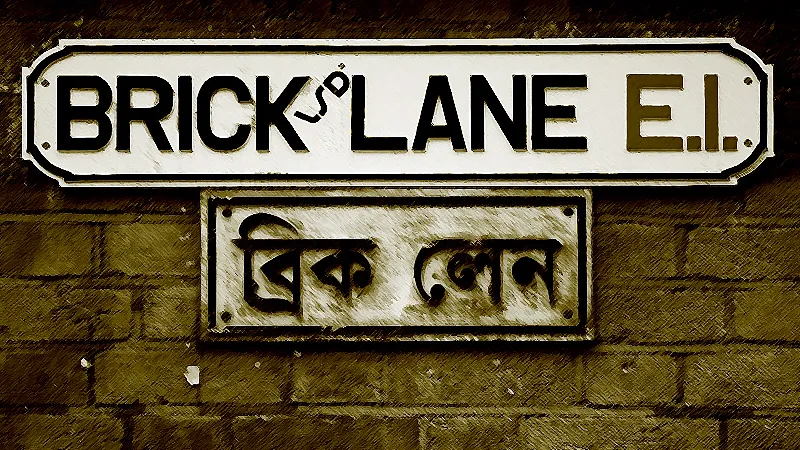
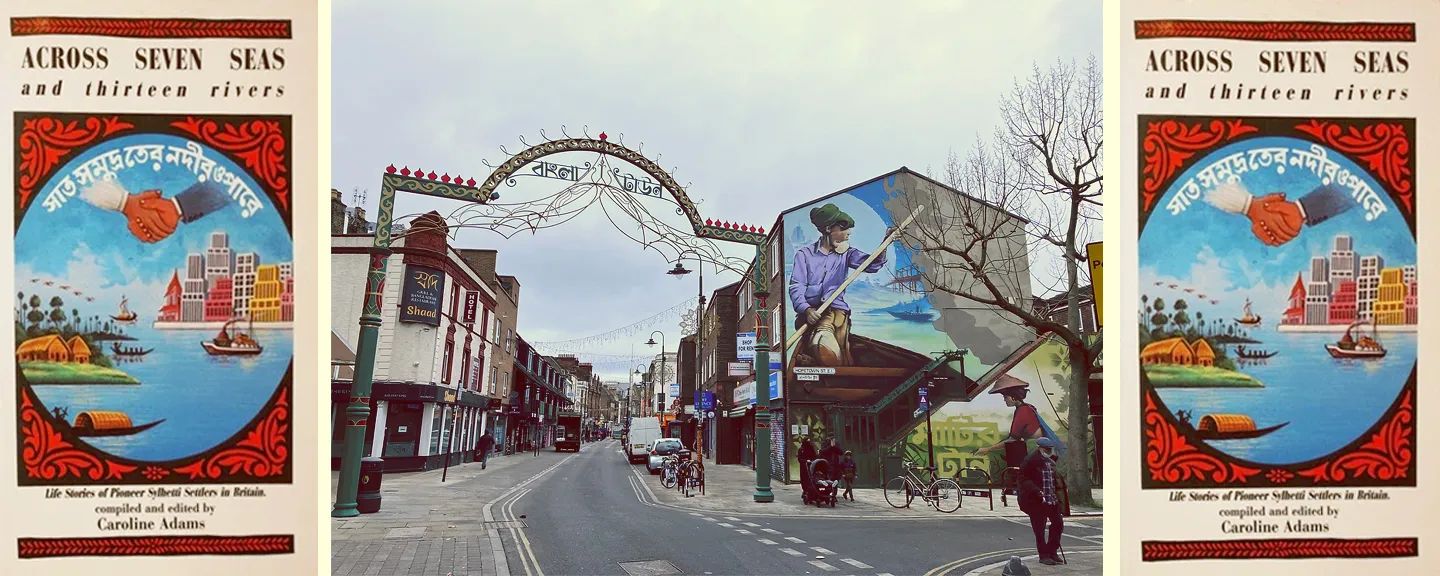
সাতচল্লিশ পরবর্তী সময়কে আখ্যানে কামাল রাহমান প্রধানত স্থান দিয়েছেন। কেন্দ্রীয় চরিত্র রাফি মিয়ার বিলেতে টিকে থাকার সংগ্রাম ও সাফল্য কিংবা পরবর্তী উপলব্ধি এরকম এক কালপর্বজুড়ে আখ্যানে ঘটছে বোঝা যায়। মনিকা আলী-র ‘ব্রিকলেন’ যে-বাঙালিপাড়ার ছবি তুলে ধরে, এখন এর ভিতটা সেখানে যারা পুঁতে দিলেন, তাদের জীবনকাহিনি যদি শুনতে হয়, সেটা আমাদের শুনতে হবে এক ইংরেজ নারী গবেষক ক্যারোলিন অ্যাডামস-এর বয়ানে।
ভারতবর্ষে ইংরেজ শাসনের দ্বিতীয়ভাগে ভাগ্য বদলাতে মরিয়া বাঙালি জনগোষ্ঠীর ক্ষুদ্র অংশ, প্রধানত সিলেট অঞ্চলে তাদের নিবাস, অনেকটা নিরুপায় হয়ে ঝুঁকি নিয়েছিলেন। জাহাজে খাটনি দিতে কলকাতায় পাড়ি জমাতেন তারা। খালাসি-সারেঙের কাজে কদর ছিল তাদের। জাহাজে করে অচেনা বন্দরে ঘুরে বেড়ানোর দিনক্ষণে বিলেতে ঢোকার মওকা খুঁজতেন। ঘটনাটি ওই সময় প্রথা হয়ে দাঁড়িয়েছিল। সিলেটি লোকজনের বিলেতযাত্রার আদি ইতিহাস প্রয়াত ক্যারোলিন অ্যাডামস তাঁর বইয়ে (Across seven seas and thirteen rivers: life stories of pioneer Sylheti settlers in Britain, 1987) চমৎকার লিপিবদ্ধ করে গেছেন। ইতিহাসবিদ মুনতাসির মামুন যে-বইটি অনতিবিলম্বে বাংলায় ভাষান্তর করেছিলেন মনে পড়ছে।
ক্যারোলিনের বইটি ইতিহাসগ্রন্থের কাতারে পড়বে না। সায়েবসুবোর দেশে ঢোকা ও সেখানে নিজেকে বাজিয়ে দেখার লড়াইয়ে সফল আদি লন্ডনিদের জবানিতে বলা কথাগুলো তিনি কেবল বইয়ে লিপিবদ্ধ করেছিলেন। জল ও টিলা পরিবেষ্টিত সিলেট অঞ্চলে কৃষি-অনুকূল পরিবেশের অভাব আর খেয়েপড়ে বেঁচে থাকার মতো অবলম্বনের ঘাটতির কথা যেখানে গোপন থাকেনি। সাত সাগর পাড়ি দিয়ে বিলেত গমনের পেছনে প্রতিকূল জীবনধারণের ভূমিকা প্রবল ছিল। কামাল রাহমানের আখ্যানে এটা কতখানি এসেছে তা আমরা হয়তো জানতে পারব ‘তাজতন্দুরি’র সবগুলো পর্ব সাবস্টেক-এ প্রকাশিত হওয়ার পর। এখন পর্যন্ত সাতটি পর্ব তিনি তুলেছেন। আর, ইংরেজিতে ভাষান্তরিত সংস্করণের পর্বগুলো সম্ভবত পেইড সাবস্ক্রিপশনের কারণে সবার জন্য উন্মুক্ত নয়।
সে যাইহোক, জীবিন-জীবিকার টানে খালাসিবেশে জাহাজে উঠে পড়া সিলেটিদের লন্ডনসহ ইউরোপ-আমেরিকার অন্যান্য শহরে ভাগ্যপরীক্ষায় জয়ী হওয়ার কাহিনি শুনাতে বসে রসরচনায় সিদ্ধহস্ত সৈয়দ মুজতবা আলী তাঁর লেখায় ইতিহাসের গুরুত্বপূর্ণ সন্ধিক্ষণের কথা তুলেছিলেন। আলীর মতে বাণিজ্য বসতে লক্ষ্মীর তালাশে সাগরপথে দূর-দূরান্ত পাড়ি দেওয়ার চিরাচরিত প্রথার ওপর দেশের হিন্দু সম্প্রদায় যে-নিষেধাজ্ঞা আরোপ করেন, তার ফল বিষম হয়েছিল। একে তারা কালাপানি লঙ্ঘন নাম দিলেন, যার প্রভাব এমনকি ঊনিশ শতকেও বহমান থেকেছে। সংস্কারাচ্ছন্ন এই নিষেধাজ্ঞার ফলে সমুদ্রের সাথে বাঙালি তথা ভারতবাসীর সংযোগ ক্ষীণ হয়ে আসে। লক্ষ-লক্ষ সমুদ্রবণিক বেকার হয়ে পড়েছিল। বাপদাদার পেশা তাই বলে ছাড়তে পারেনি। বণিক ও সাগরমাঝিদের বৃহৎ অংশে মুসলমান হওয়ার হিড়িক পড়ে যায়। আরব বণিকদের জাহাজে খালাসির কাজ নিয়ে সাগর পাড়ি দেওয়ার পুরোনো পেশাটি তারা তখন বেছে নিয়েছিল।
চাটগাঁর সওদাগর সম্প্রদায় এভাবে নিজেরা জাহাজ বানিয়ে বার্মা-মালয়ে বাণিজ্য করত সেইসময়। ইংরেজ আমলে এর সাথে যুক্ত হয় ইউরোপে থিতু হওয়ার ধান্ধা। সিলেট, চাটগাঁ ও নোয়াখালির লোকজন যথারীতি অগ্রণী ছিল। জাহাজে করে ইউরোপে ঢুকলেও, আলী জানাচ্ছেন, গোড়ার দিকে এইসব খালাসি কলকারখানায় কাজ নিতে চাইত না। তবে হ্যাঁ, ইতিহাসের অজ্ঞাত মুহূর্তে সিলেটিরা জাহাজ থেকে ডাঙায় নামার সিদ্ধান্তটি নিয়ে ফেলে। ইংরেজদের দেশে তখন কম পয়সায় মজুর খাটবে এমন শ্রমিকের প্রয়োজন ছিল। সিলেটিরা সুযোগটি লুফে নেয়। তাদের কপালে ‘লন্ডনি’ ছাপ্পা এই সুবাদে পাকাপোক্ত হয়। আলী লিখছেন :
খালাসিবৃত্তি থেকে কবে কী করে এরা দক্ষিণ ও মধ্য ইংলন্ডের কলকারখানায় ঢুকে পড়ে লন্ডনি খেতাব পায় তার কোনও লিখিত বিবরণ আমি পড়িনি। তবে আমার মনে হয়, ১৯২৯-৩৩-এর পূর্বে নয়, কারণ এ-সময়ে ইউরোপ-আমেরিকার কারখানাকর্মীদের ভিতর প্রচুরতম বেকারি। এর পরে প্রধানত যুদ্ধের সময় বিস্তর সস্তা লেবারের প্রয়োজন হলো। আজ যে আপনি-আমি লন্ডন-নটিংহামের যে-কোনও দ্বিতীয় শ্রেণির ইংরেজি রেস্তোরাঁতেও পাটনা রাইস এবং কারি পাচ্ছি তার গোড়াপত্তন হয় ওই সময় (পাটনা রাইস বলে বটে, কিন্তু সেটা দেরাদুন, বাসমতি সবকিছুই হতে পারে। বহু গবেষণা করে সন্ধান পেলুম কোম্পানির আমলে এ-দেশ থেকে যে-চাল বিলেত যেত সেটা প্রধানত সংগ্রহ করা হত পাটনার আড়তে যে-হরেক প্রদেশের চাল জড়ো হয়েছে তার থেকে; তাই এর অমনিবাস নাম হয়ে যায় পাটনা রাইস।) সৈন্যদের এবং লন্ডনিদের ক্ষুধা নিবারণের জন্য।
—সত্যপীরের কলমে : সৈয়দ মুজতবা আলী : সিলেটি সাগা; ইবাংলা লাইব্রেরি
রসরাজ সৈয়দ মুজতবা আলী দু-চারকথায় যে-পটভূমি তুলে ধরেছেন, তার মধ্যেই জলবন্দি ও কৃষি-প্রতিকূল এক জনগোষ্ঠীর কপাল ফেরানোর লড়াকু জেদ ঠিকরে পড়ছে। ফরচুনস ফেভারস দ্য ব্রেইভ;—কথাটি বোধহয় ওইসব আদি অভিবাসী ওরফে লন্ডনির ক্ষেত্রে শতভাগ খাটে। এই অভিবাসন কেবল একটা সময়পর্বে গুম হওয়া কোনো কাহিনি নয়, এখানে লুকিয়ে আছে সময়ের পালাবদলে বদলে যেতে থাকা অভিবাসন মানচিত্রের কত-না অজানা বয়ান! সেখানে বড়ো সংকট হয়তো এই-যে,—সময়টানে ব্রিটেনের নাগরিক বাঙালি অভিবাসীরা আজো নিজের আদি শিকড় ও বর্তমানে প্রোথিত যে-শিকড়কে নিজের দেশ বলে বুঝে নিয়েছে,—এর কোনোটায় শতভাগ স্থিত হতে পারেনি!
বাঙালি না ব্রিটস, বাঙালি না সিলেটি অথবা সংকর… আত্মপরিচয় নিয়ে মনস্তাত্ত্বিক দ্বিধা ও টানাপোড়েন তাকে নোঙরহীন নাবিক রেখেছে আজো। তাজতন্দুরি উপন্যাসের দ্বিতীয় প্রোটাগনিস্ট এবং এলিট পরিবার থেকে উঠে আসা সারওয়ারকে নিজের বিলাতযাপন ও সেখানকার বাঙালিজীবনকে চলচ্চিত্রের ফ্রেমে ধরার নেশায় মরিয়া দেখে পাঠক। তো সেই সারওয়ারের অভিজ্ঞতার সবটা নয় মনোরম। নিশ্চয়তার সুরে গাঁথাও নয় এর সবখানি। বাঙালি রাফি মিয়া, সারওয়ার কিংবা ভিনদেশি ক্যাথি, যার শিকড় পূর্ব ইউরোপে, এরা সবাই মিলেঝুলে যে-লন্ডনকে বহুসাংস্কৃতিক দ্যোতনা দান করেছে, সেখানে অনিশ্চয়তা ও অন্ধকার কম নয়! তাজতন্দুরি-র এরকম এক পর্বে কামাল রাহমান লিখছেন :
সপ্তাহে এক দিন ছুটি পায় ওরা। কোথায় যায় যে জানি না এখনও। ভোর পাঁচটায় সবার সঙ্গে বেরিয়ে এসেছিলাম ওখান থেকে। এখন ঘুমানোর চেষ্টা বৃথা হবে বুঝতে পারি। মাথার ভেতর শোঁ শোঁ শব্দ করছে। দোতলার এক কোণার একটা ছোট্ট রুম পেয়েছি। এখানে আমি আর নাদের শুই। ওর নাক ডাকা শুনি। দেশে এ সময় মসজিদের কোরাস শুরু হয়ে যায়। গ্রামগুলোয় মোরগের বাক দেওয়া। জানালার পর্দা কিছুটা ফাঁক করে বাইরে তাকাই। আজ আর বরফ পড়ছে না। গাছের কঙ্কালগুলো চার্চের ফ্লোরেসেন্ট আলোয় এখন কিছুটা বেশি কালচে দেখায়। আকাশে ভোরের কোনও রং নেই। গাঢ় নীল ও কালোয় মেশানো এক অন্য রকম গভীর স্বচ্ছতা ওখানে। বুকের ভেতর রিনরিনিয়ে ওঠে আমার। আবার ফিরে আসি বিছানায়। শুয়ে শুয়ে দেখি অদ্ভুত এই পৃথিবীর অবশিষ্ট অন্ধকার।
‘অদ্ভুত এই পৃথিবীর অবশিষ্ট অন্ধকার।’;—বাক্যটি এখানে হয়তো কামাল রাহমান বিরচিত আখ্যান ও এর ভিনভাষী ভাষান্তরের মূল সত্যটি তোলে ধরে। মানবজাতির সহস্র-সহস্র বর্ষ ধরে পথচলা, এক জায়গা থেকে অন্যত্র গমন ও স্থানান্তর, খাপ খাইয়ে নেওয়া কিংবা নিতে না-পারার অগণিত আলেখ্য,—এসবের মধ্যে হয়তো নিহিত এই দগদগে সত্যটা-যে,—স্থায়ী ও নিশ্চিন্ত একটা ঘরের খোঁজে এক দেশ থেকে অন্য দেশে পাড়ি জমানো মানুষের কোনো ‘ঘর’ আজো নেই!
—আহমদ মিনহাজ : অবদায়ক : থার্ড লেন স্পেস
. . .
. . .

লেখক পরিচয় : কামাল রাহমান : এখানে অথবা ওপরের ছবিতে চাপুন
. . .
কামাল রাহমান : অবদায়ক : থার্ড লেন স্পেস.কম
কামাল রাহমান-এর অন্যান্য রচনা ও প্রাসঙ্গিক পাঠের জন্য এখানে চাপুন